
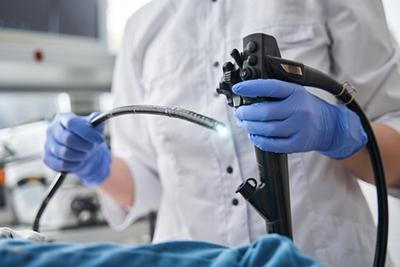
Colonoscopy is widely known as a screening tool for adults over 45, but more young adults are being diagnosed with colorectal cancer than ever before. This rising trend has led many individuals in their 20s and 30s to wonder whether early screening is necessary. At the office of Dr. Daniel J. Alpert in Murray Hill, serving New York, NY, patients receive personalized guidance based on risk factors, symptoms, and family history to determine whether a colonoscopy is recommended before the standard screening age.
Understanding the Changing Trend
Colorectal cancer rates among younger adults have increased steadily over the past decade. The exact reasons remain unclear, but factors such as diet, obesity, low activity levels, inflammation, and genetics may contribute. Because symptoms can be vague, early cancers in younger adults sometimes go unnoticed. This trend makes awareness and early evaluation even more important for anyone experiencing digestive changes or who has known risk factors.
When Early Screening May Be Recommended
Most young adults do not need routine colonoscopies before age 45, but certain circumstances may require earlier testing. Dr. Alpert may recommend a colonoscopy for younger patients who have:
- A family history of colon cancer or adenomatous polyps
- Unexplained rectal bleeding
- Ongoing diarrhea or constipation
- Recurrent abdominal pain
- Iron-deficiency anemia
- Unexplained weight loss
- A history of inflammatory bowel disease, including Crohn’s disease or ulcerative colitis
In these situations, a colonoscopy can offer valuable information and help detect polyps or early signs of disease before symptoms become more serious.
What a Colonoscopy Can Reveal
A colonoscopy allows for a careful, detailed examination of the entire colon using a thin, flexible camera. Dr. Alpert can identify inflammation, bleeding, polyps, or structural abnormalities that may contribute to symptoms. If polyps are discovered, they can often be removed during the same procedure, preventing them from becoming precancerous or cancerous over time. Even when results are normal, the procedure provides reassurance and helps guide future care.
Why Symptoms Should Never Be Ignored
Young adults sometimes dismiss digestive symptoms as minor or temporary, but persistent changes should always be evaluated. Early colorectal cancer can be subtle, appearing as occasional bleeding, altered bowel habits, or unexplained fatigue. Addressing symptoms early leads to more accurate diagnoses and better outcomes. Dr. Alpert encourages patients to seek care promptly when symptoms do not improve.
Personalized Guidance for Young Adults
While not everyone needs a colonoscopy at a young age, many individuals benefit from an evaluation based on their health history and symptoms. At the office of Dr. Daniel J. Alpert in Murray Hill, serving New York, NY, each patient receives thoughtful, individualized care to determine whether early screening or further testing is appropriate.
If you are experiencing digestive symptoms or are concerned about your colon cancer risk, call the New York office at (212) 599-7910 to schedule a consultation. Early evaluation can offer clarity, reassurance, and proactive protection for your long-term digestive health.